

How to report elder abuse or neglect in aged care in Ontario
By Matthew De Vries · Updated 2026-07-06
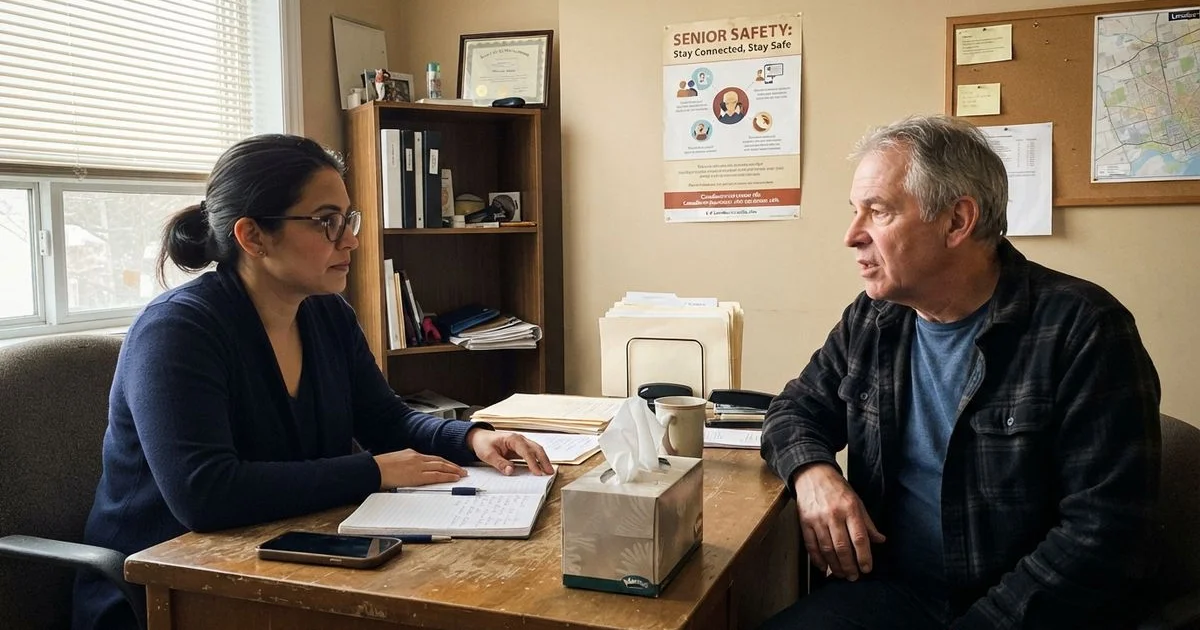
Recognizing that something is wrong is often the hardest part. Reviews and family accounts across the aged care sector repeatedly describe the same patterns: slow response to calls for help, unexplained bruising, medication concerns, and management that’s hard to reach when a real problem comes up. Knowing where to actually report a concern, and what to expect afterward, makes it easier to act instead of just worrying.
Recognizing the signs
Neglect and abuse aren’t always obvious. Signs worth taking seriously include unexplained bruises or injuries, sudden or unexplained weight loss, poor hygiene that’s inconsistent with the level of care being paid for, medication that seems mismanaged or over-administered, a person who seems fearful or withdrawn around a specific caregiver, and a facility or agency that becomes evasive or defensive when you ask direct questions.
This is general information, not legal advice
Every situation is different, and if you believe a crime has occurred, contact police directly rather than relying solely on a regulatory complaint process. The information below covers general reporting channels in Ontario, not a substitute for legal counsel in a serious case.
Where to report, depending on the setting
| Situation | Where to report |
|---|---|
| Immediate danger to a person’s safety | Call 911 |
| Concern in a long-term care home | Ministry of Long-Term Care’s Long-Term Care ACTION Line |
| Concern with a home care agency or caregiver | The agency’s management first, then Home and Community Care Support Services if unresolved |
| Concern in a retirement home | The Retirement Homes Regulatory Authority, which licenses and oversees retirement homes in Ontario |
| Suspected financial abuse or exploitation | Local police, and consider consulting a lawyer regarding power of attorney concerns |
Documenting what you’ve observed
Before reporting, write down what you’ve seen with as much specificity as possible: dates, times, who was involved, and exactly what happened rather than a general impression. Photos of injuries or unsafe conditions, taken respectfully and with consent where possible, can support a report. Keep a simple log if concerns are ongoing rather than isolated, since a pattern is often more compelling to investigators than a single incident.
What happens after you report
Most reporting bodies will open an investigation, which can include an unannounced inspection, interviews with staff and the resident, and a review of care records. Timelines vary depending on the severity of the concern and the body involved. Privacy rules may limit how much you’re told about the outcome, particularly if you’re not the resident’s substitute decision-maker, but a report still matters even if you don’t receive a detailed follow-up.
Supporting the person after a report
Filing a report is often just the first step. The person affected may need reassurance that raising a concern was the right thing to do, particularly if they feel embarrassed or worried about upsetting the relationship with a caregiver or facility they still depend on. Staying visibly involved after a report, through more frequent visits or calls, both supports them emotionally and signals to the provider that the family is paying close attention, which can itself improve the situation while an investigation is underway.
If you’re worried about retaliation
Ontario residents in licensed care settings have a legal right to raise concerns without it affecting their care. If you’re worried a report might lead to retaliation against your family member, say so explicitly when you file it, and consider reporting through a channel that allows anonymity if that’s a genuine concern.
Trusting your own judgment
Families sometimes talk themselves out of reporting a concern because it seems minor compared to what they imagine “real” abuse looks like. Persistent small issues, being left in soiled clothing for hours, meals consistently arriving cold or late, a caregiver who’s dismissive rather than outright cruel, are worth raising too. A pattern of small neglect can be just as serious as a single dramatic incident, and reporting it early can prevent it from escalating into something worse.
Choosing a provider with a strong track record from the start reduces how often families end up in this position. Our home page lists aged care providers across London scored on consistency and family sentiment, and our methodology explains exactly how we evaluate them.
FAQ
- What if I'm not sure something actually counts as neglect?
- Report it anyway and let the appropriate body assess it. Concerns like unexplained bruising, sudden weight loss, unsafe living conditions, or a caregiver who seems dismissive of questions are all worth raising rather than second-guessing yourself into silence.
- Can I report anonymously?
- In most cases, yes. Ontario's reporting lines and the Long-Term Care ACTION Line accept concerns without requiring you to identify yourself, though providing contact information can help with follow-up if the situation needs more investigation.
- Is there immediate danger, and what should I do?
- Call 911 first. Reporting lines and complaint processes are for investigation and follow-up; they aren't designed for emergencies where someone is in immediate physical danger.
- What happens after I file a report?
- Depending on where the concern is reported, it typically triggers an investigation, which may include an inspection, interviews with staff and the resident, and a review of records. You may or may not be updated on the outcome depending on privacy rules.