

Hospice and end-of-life care in Ontario: what to expect and how to choose
By Matthew De Vries · Updated 2026-07-18
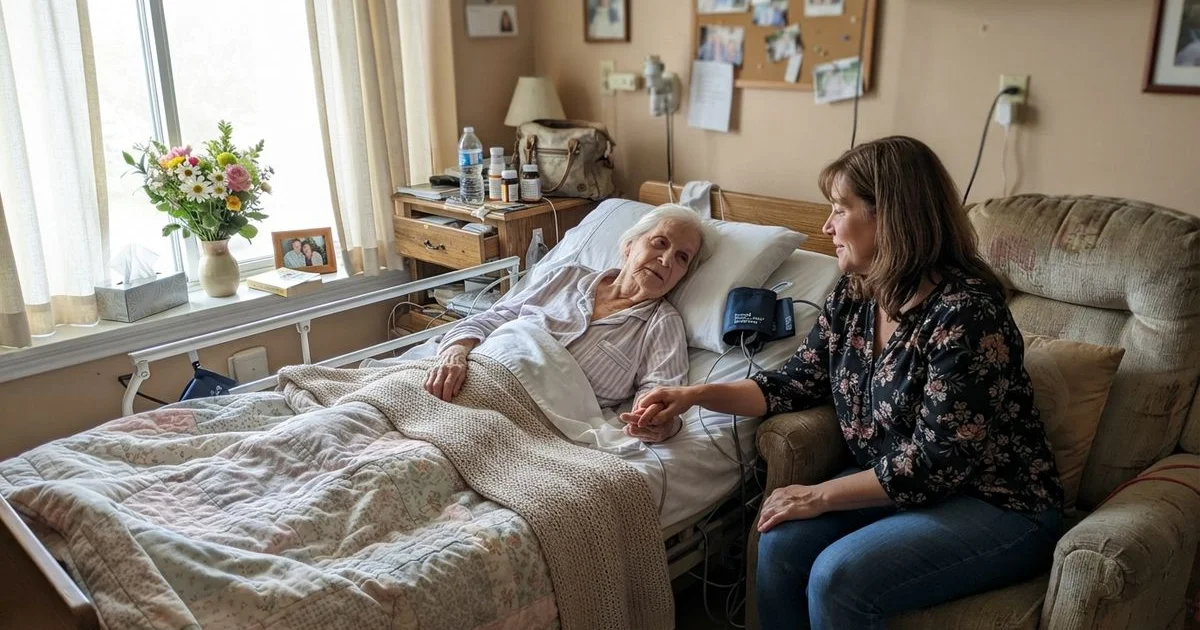
Hospice and end-of-life care conversations tend to get avoided until they’re unavoidable, which often means families are making decisions under the worst possible stress. Understanding what hospice actually involves, and what choices exist, ahead of that point makes an enormously difficult time somewhat more manageable.
What hospice care actually means
Hospice, sometimes called palliative care in a broader sense, shifts the focus of care from curing an illness to managing symptoms, controlling pain, and supporting quality of life and dignity in the time that remains. It’s not exclusively for the final days. Many people receive hospice-style support for weeks or months once curative treatment is no longer the goal, which allows more time to benefit from the emotional and practical support hospice teams provide.
Where hospice care happens
Hospice support isn’t limited to a dedicated facility. Home-based hospice and palliative care involves visiting nurses, personal support workers, and a palliative care team coordinating with a family doctor, allowing someone to remain at home for as long as that’s manageable and desired. A residential hospice, a smaller, home-like setting distinct from a hospital, is often used when symptoms need more consistent, round-the-clock management than a home setting can provide, or when family caregivers need additional support.
Comparing the settings
| Setting | Best fit for |
|---|---|
| Home-based hospice | Families able to provide some care with visiting nurse and PSW support; a familiar environment matters |
| Residential hospice | More complex symptom management, or when home caregiving capacity is limited |
| Hospital-based palliative unit | Situations requiring closer medical monitoring than a hospice residence provides |
London has a small number of dedicated hospice providers, and demand for residential hospice beds often exceeds supply, so it’s worth starting the conversation with a doctor or care coordinator earlier rather than waiting until a crisis point.
Starting the process
A referral typically comes from a family doctor, specialist, or hospital team once a life-limiting diagnosis has been discussed. From there, an assessment through Home and Community Care Support Services helps determine what setting and level of support fits the situation, whether that’s a home-based team, a residential hospice bed, or a combination as needs change over time.
What to ask when choosing
Families evaluating hospice options often find it helpful to ask directly about after-hours availability for pain and symptom emergencies, how the team communicates with family day to day, what support is available for family members alongside the patient, and how decisions like a Do Not Resuscitate order or other advance directives are documented and respected across shifts and staff.
What hospice care costs
Hospice care in Ontario is generally publicly funded for the core medical and nursing components, whether delivered at home through a palliative care team or in a residential hospice bed. Families should still ask directly about what’s covered versus what isn’t, since some residences charge a modest daily accommodation fee, and equipment like hospital beds or mobility aids for home-based care may involve a separate cost or a loan program through the local health system. Confirming this upfront avoids adding financial stress to an already difficult time.
Supporting the family, not just the patient
Good hospice care extends support to family members too, through counselling, respite for exhausted caregivers, and guidance through decisions that are emotionally difficult to make alone. This is a genuinely hard period, and this article offers general information rather than medical or legal advice specific to your situation; lean on your care team and, where useful, a grief or palliative care counsellor.
Bereavement support often continues after a death, too. Many hospice programs offer follow-up grief counselling for family members for months afterward, which is worth asking about even if it feels premature to think about during active care. Families who use this support, rather than assuming they should simply manage grief on their own, often find it makes a genuine difference in the months that follow.
Our category page for hospice care lists providers in London, and our methodology explains how we evaluate them. Our home page covers the broader range of aged care and end-of-life support options in the area, whether hospice ends up being the right fit or a different level of care makes more sense.
FAQ
- Is hospice only for the final days of life?
- Not necessarily. Hospice care can begin when a life-limiting illness is no longer responding to curative treatment, which can be weeks or months before end of life, not just the final days.
- Can hospice care happen at home instead of a facility?
- Yes. Many families receive hospice-style support at home through visiting nurses and palliative care teams, reserving a dedicated hospice residence for situations that need more intensive, round-the-clock support.
- Does choosing hospice mean giving up on treatment entirely?
- It means shifting the focus to comfort and quality of life rather than curative treatment for the underlying illness. Pain management, symptom control, and emotional support continue and are often the primary focus.
- How do we start the process?
- A referral usually comes through a family doctor, oncologist, or hospital, followed by an assessment through Home and Community Care Support Services to determine eligibility and the right setting.