

Moving a parent into a retirement home: the process, step by step
By Matthew De Vries · Updated 2026-06-16
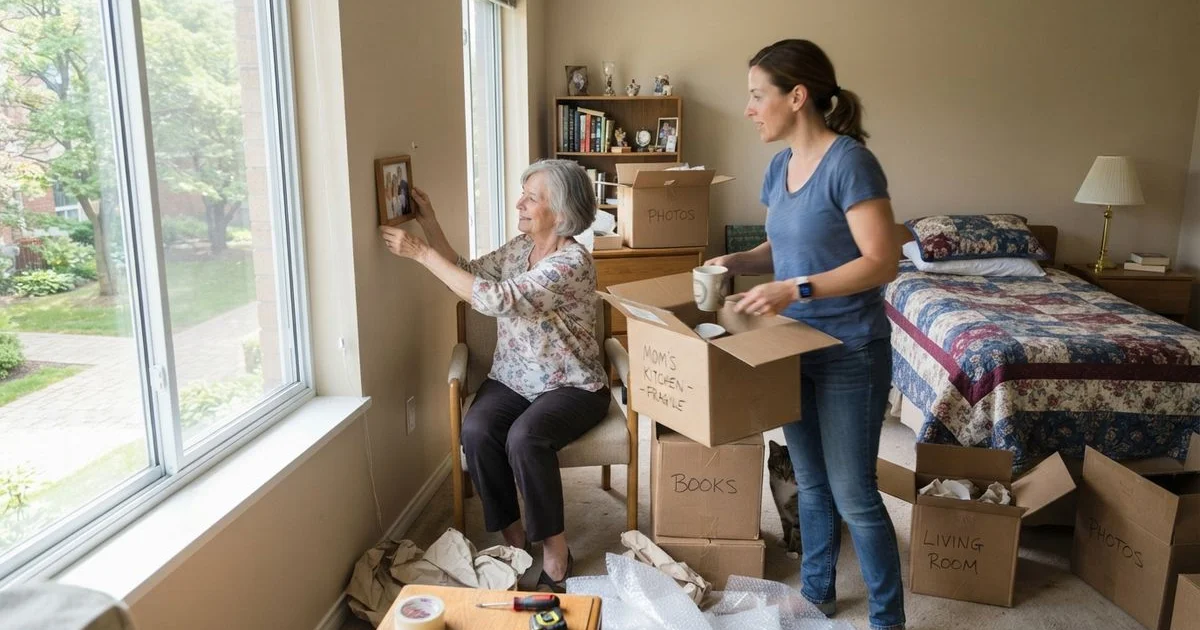
Deciding a retirement home is the right fit is one milestone. Actually getting a parent moved in, settled, and comfortable is a different process, with its own steps and its own emotional weight. Knowing what’s coming makes the weeks around the move considerably less stressful.
Touring and shortlisting
Start by touring in person rather than relying only on a website or a phone call. Ask to see an actual resident room, not just a model suite, and try to see the dining room during a real meal rather than an empty one set up for show. Sitting in on an activity, if the home allows it, gives a better sense of daily life than a scripted walkthrough.
Bring your parent along when possible. A home that looks great to an adult child touring alone can feel institutional or unfamiliar to the person who will actually live there, and their comfort with the space matters more than almost anything else on the list.
Application and assessment
Once you’ve picked a home, expect an intake process that includes a health history form, current medications, mobility needs, and any cognitive concerns. Many homes ask for a doctor’s note confirming the appropriate level of care, and some request power of attorney documentation if your parent won’t be handling their own affairs going forward.
This is also when the home confirms suite availability and finalizes pricing based on room type and assessed care level, so it’s worth revisiting the cost conversation at this stage rather than assuming the number from the initial tour still holds.
Preparing for the move
Downsizing is often the hardest part of this whole process, harder in some ways than the move itself. Give it more time than feels necessary. Sorting a lifetime of belongings into what fits in a smaller space is slow, emotional work, and rushing it tends to create regret on both sides. Bringing familiar furniture, photos, and small personal items into the new suite makes a real difference in how quickly it starts to feel like home rather than a hotel room.
Move-in day and the first weeks
| Timeframe | What typically happens |
|---|---|
| Move-in day | Orientation to the building, meeting key staff, settling belongings into the suite |
| First one to two weeks | Learning routines, meeting other residents, adjusting to communal meals |
| Weeks two to six | The hardest adjustment period for most residents; loneliness or resistance is common |
| After six weeks | Most residents and families report a noticeably easier rhythm |
Visiting often in the first few weeks, without hovering constantly, tends to help a parent settle faster than either extreme. Encourage them to try one activity or meal with other residents even if they’re reluctant, since the social side of retirement living is often what makes it work long-term, not just the physical care.
Helping siblings stay on the same page
A move like this often involves more than one adult child, and disagreements about timing, budget, or which home to choose are common. Deciding early who’s handling which part, tours, paperwork, moving logistics, ongoing visits, avoids both duplicated effort and the frustration of one sibling feeling like they’re carrying the whole process alone. A short check-in call after each major step, even just a quick update, keeps everyone aligned without requiring every decision to be made by committee.
If it’s not working
Occasionally a home turns out not to be the right fit, whether due to care needs outpacing what’s offered or a personality mismatch with the environment. It’s reasonable to give a genuine adjustment period, generally at least a month, before concluding it isn’t working, but it’s also reasonable to look elsewhere if real concerns persist past that point.
Our category page for retirement homes and assisted living is a good place to compare options in London if you’re still shortlisting, and our methodology explains how we score providers on consistency and family feedback. You can also start from our home page if you’re weighing a retirement home against other types of care.
Most families look back on the move as harder in anticipation than it turned out to be in practice, once routines settled and a parent found their footing in the new community. That doesn’t make the weeks around the move easy, but it’s worth holding onto as the adjustment period runs its course.
FAQ
- How far in advance should we start touring?
- Ideally two to three months before a move is needed, since good suites can have waitlists and rushing the decision under pressure tends to lead to a poorer fit.
- What paperwork is usually required?
- Expect a health history form, a list of current medications, emergency contact and power of attorney information, and sometimes a doctor's note confirming the level of care needed.
- How long does the adjustment period usually take?
- Most residences and families describe the first two to six weeks as the hardest, with routines and new relationships settling in after that. Frequent early visits from family tend to help.
- What if my parent resists the move even after agreeing to it?
- Some ambivalence close to moving day is common, even for parents who agreed to the decision. Staying consistent, keeping familiar belongings nearby, and giving it a genuine few weeks before reassessing helps more than reversing course immediately.
Related on this site
- Browse retirement homes & assisted living providers
- Best retirement homes & assisted living in London, Ontario →
- Retirement home costs in London, Ontario: what changes the monthly rate
- How long it takes to get into a long-term care home in Ontario
- What to expect during a home care assessment in London, Ontario
- All guides →