

Fall prevention for seniors living at home: a practical safety guide
By Matthew De Vries · Updated 2026-07-12
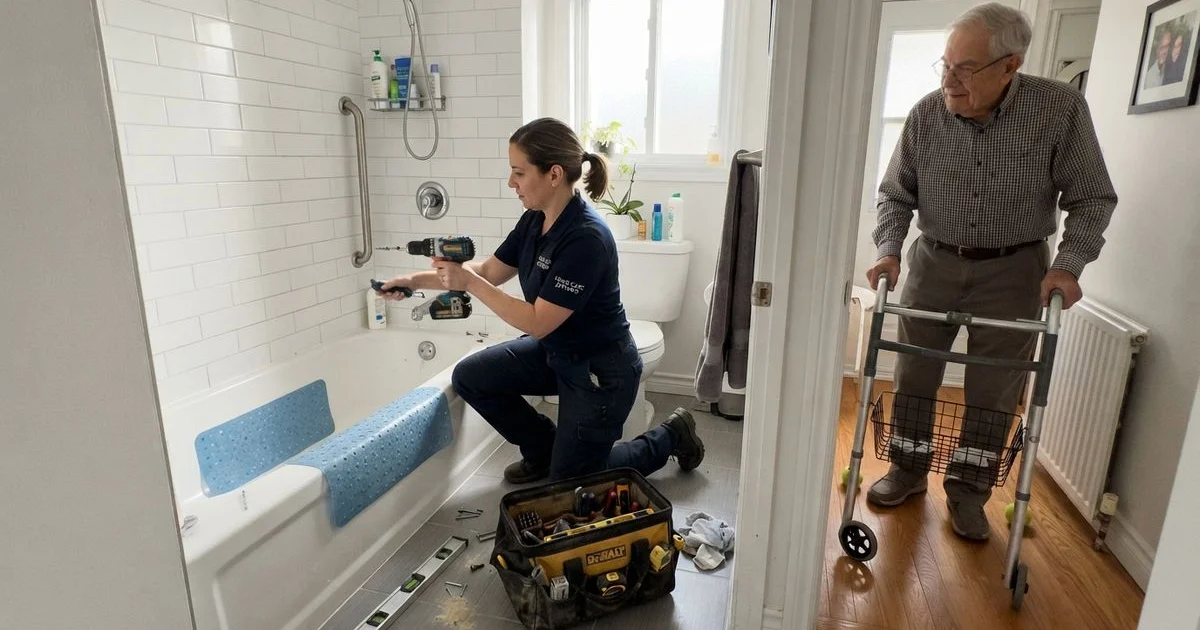
Falls are one of the most common reasons an older adult ends up in hospital, and one of the most preventable with a handful of practical changes. Most fall prevention isn’t complicated. It’s a matter of going through the home room by room and addressing the specific hazards that actually cause falls, rather than relying on general caution.
Why falls matter so much
A fall doesn’t just risk an injury in the moment. It can trigger a cascade: a hip fracture leading to a hospital stay, a hospital stay leading to muscle loss and reduced mobility, reduced mobility leading to a harder recovery and a higher risk of falling again. Preventing the first fall, or catching risk factors before one happens, matters more than most families realize until it’s already occurred.
Room-by-room hazards worth addressing
| Area | What to check |
|---|---|
| Bathroom | Grab bars near the toilet and in the shower or tub, a non-slip mat, and a raised toilet seat if mobility is limited |
| Stairs | Secure handrails on both sides, good lighting, and no loose or worn carpet on the treads |
| Bedroom | A clear path to the bathroom at night, a nightlight, and a phone within reach of the bed |
| Living areas | Loose rugs removed or secured, clutter and cords cleared from walkways, furniture arranged with wide paths |
| Kitchen | Frequently used items stored at waist height rather than requiring a step stool |
| Entryways | Even, well-lit steps with a secure railing, and non-slip mats in wet weather |
Beyond the home itself
Home modifications matter, but they’re only part of the picture. Vision and hearing checkups matter more than most people assume, since uncorrected vision problems make it harder to judge steps and obstacles, and hearing loss can affect balance in ways that aren’t obvious. A medication review with a doctor or pharmacist is also worth doing periodically, since some medications, or combinations of them, increase dizziness or drowsiness and raise fall risk. Proper footwear, well-fitted shoes with good grip rather than loose slippers, makes a bigger difference than it seems.
Building strength and balance
Regular movement, even gentle exercise like walking or chair-based routines, helps maintain the strength and balance that prevent falls in the first place. Many community centres and adult day programs in London offer supervised exercise options geared toward seniors, which combine physical benefit with social engagement.
Technology that helps without being intrusive
A few simple tools genuinely reduce risk without making a home feel clinical. A wearable medical alert device, worn as a pendant or wristband, means help can be called even if someone can’t reach a phone after a fall. Automatic lighting that turns on when motion is detected near the bed or bathroom removes the need to fumble for a switch in the dark, which is when a lot of night-time falls happen. None of these replace supervision or good home design, but they close the gap for the moments no amount of planning can fully prevent.
After a fall, even a minor one
It’s tempting to brush off a fall that didn’t cause an obvious injury. Don’t. A fall is worth mentioning to a doctor regardless of outcome, since it can be an early signal of a medication issue, a vision change, an infection, or another underlying problem that’s worth catching before a more serious fall happens.
This is general safety information, not medical advice specific to your situation. If falls are becoming frequent, talk to a doctor about a proper fall risk assessment.
When home modifications aren’t enough
If someone is falling despite reasonable safety changes, or living alone with declining balance and no one nearby to help, it may be time to consider additional support.
A caregiver, whether family or a home care worker, adds a layer of protection that home modifications alone can’t provide: someone present to notice early signs of instability, assist with the riskiest tasks like bathing, and respond quickly if something does happen. If a move to a care setting becomes the safer option, the guide to red flags on a care home tour covers what to check before choosing one. Our home page lists in-home care and other aged care options across London, and our methodology explains how we evaluate the providers listed.
FAQ
- Are rugs really that big a fall risk?
- Yes. Loose rugs, especially at the top or bottom of stairs or in hallways, are one of the most commonly cited causes of falls at home, and removing or securing them is one of the simplest, most effective changes a family can make.
- Should every senior have a medical alert device?
- It's worth considering for anyone living alone, especially with any history of falls or balance issues, since the biggest risk after a fall is often lying undiscovered for an extended period rather than the fall itself.
- Do vision and hearing really affect fall risk?
- Significantly. Uncorrected vision problems make it harder to judge steps, thresholds, and obstacles, and untreated hearing loss can affect balance. Regular checkups for both are an underrated part of fall prevention.
- What should we do immediately after a fall, even a minor one?
- Don't dismiss it as a one-off. A fall, even without obvious injury, is worth mentioning to a doctor, since it can be an early sign of a medication issue, vision change, or underlying health problem worth addressing.