

Coping with dementia behaviors at home: sundowning, wandering, and safety strategies
By Matthew De Vries · Updated 2026-07-02
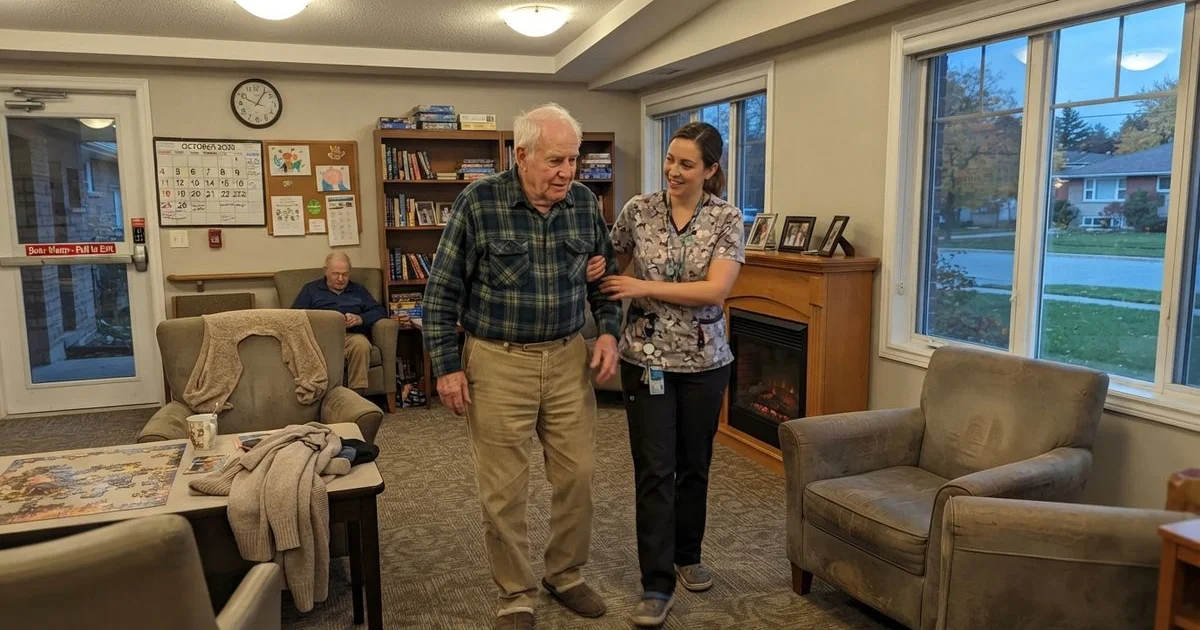
Sundowning and wandering are two of the most disruptive dementia behaviours a family will manage at home, and both respond better to structure and prevention than to reacting in the moment. Understanding what triggers each, and having a plan before it happens, makes a genuine difference in how manageable they are day to day.
Understanding sundowning
Sundowning refers to increased confusion, agitation, or restlessness that tends to appear in the late afternoon or evening. It’s thought to relate to fatigue building over the day, changes in light, and disruption to the body’s internal clock, though the exact cause varies by person. It’s common enough in dementia that it’s worth planning for rather than treating each occurrence as a surprise.
Strategies that tend to help:
- Keep the home well lit as daylight fades, since shadows and dim lighting can increase confusion
- Stick to a consistent daily routine, including consistent meal and bed times
- Limit caffeine and heavy stimulation in the afternoon and evening
- Plan the most demanding activities, like appointments or errands, earlier in the day
- Use calm, simple language during an episode rather than trying to reason through confusion
Understanding wandering
Wandering, leaving a safe space and becoming lost or disoriented, is one of the more serious dementia behaviours because of the direct safety risk involved. It’s often driven by a search for something familiar: a former home, a routine like going to work, or simply restlessness.
A home safety checklist
| Safety measure | What it addresses |
|---|---|
| Door alarms or chimes on exterior doors | Alerts caregivers when a door opens, especially at night |
| A medical alert bracelet with contact information | Helps anyone who finds a wandering person get them home safely |
| Secure or disguise exits that aren’t meant to be used | Reduces the chance of leaving through an unsupervised door |
| Register with local wandering-response or Alzheimer’s community programs | Provides an established process if a person goes missing |
| Motion-sensor lighting along likely wandering paths | Alerts caregivers and reduces fall risk if wandering happens at night |
| Neighbours aware of the situation and what to do if they see the person out alone | Adds an extra layer of community awareness |
Caring for yourself while managing these behaviours
Sundowning and wandering are exhausting to manage day after day, particularly in the evening hours when a caregiver is often already tired. It’s worth building in relief before burnout sets in, whether through a family member taking over some evenings, a home care visit during the highest-risk hours, or an adult day program that provides structure and activity during the part of the day when energy and patience are hardest to sustain at home.
If a loved one goes missing
Act quickly. Search the immediate area first, including outdoor spaces and anywhere familiar to the person, but don’t delay calling 911 if they aren’t found within a few minutes, since exposure and disorientation can become dangerous fast, particularly in cold weather. Most wandering incidents resolve safely when reported promptly rather than searched alone for an extended period.
This is general information, not medical or care advice specific to your situation. If sundowning or wandering is severe, worsening, or putting someone at real risk, talk to a doctor or a dementia care specialist about next steps.
Keeping a simple log of when episodes happen, what preceded them, and how long they lasted can also help a doctor spot patterns that aren’t obvious in the moment. Some families notice a connection to a specific medication timing, a change in routine, or even a particular visitor, information that’s easy to lose track of without writing it down.
When to reconsider the care setting
If wandering is becoming frequent, happening at night, or a person has already gotten lost once, that’s a strong signal it’s time to weigh memory care rather than continuing with home supervision alone. Our category page for memory care and dementia care lists specialized providers in London, and our methodology explains how we evaluate them. Our home page covers the full range of aged care options if you’re weighing next steps.
FAQ
- Is sundowning the same every day?
- Not always. Severity can vary with how tired the person is, how much stimulation they've had during the day, and even the season, since shorter daylight hours in winter can make it worse for some people.
- Should I try to physically stop someone from wandering?
- Redirect rather than block. Physically restraining someone in a confused state can escalate agitation. Gently guiding them toward a different activity or destination tends to work better than a direct confrontation.
- What if wandering starts happening at night?
- Night wandering raises the safety stakes considerably. Door alarms, motion-sensor lighting, and securing exits become more important, and it's worth discussing the pattern with a doctor in case a medication or routine change could help.
- When does this move from 'manageable at home' to 'needs professional support'?
- If wandering becomes frequent, happens outside supervised hours, or a person has left the home and gotten lost even once, it's worth having an urgent conversation with a doctor or a memory care specialist about the level of supervision that's actually needed.