

Free and subsidized aged care options in Ontario: what's actually available
By Matthew De Vries · Updated 2026-07-14
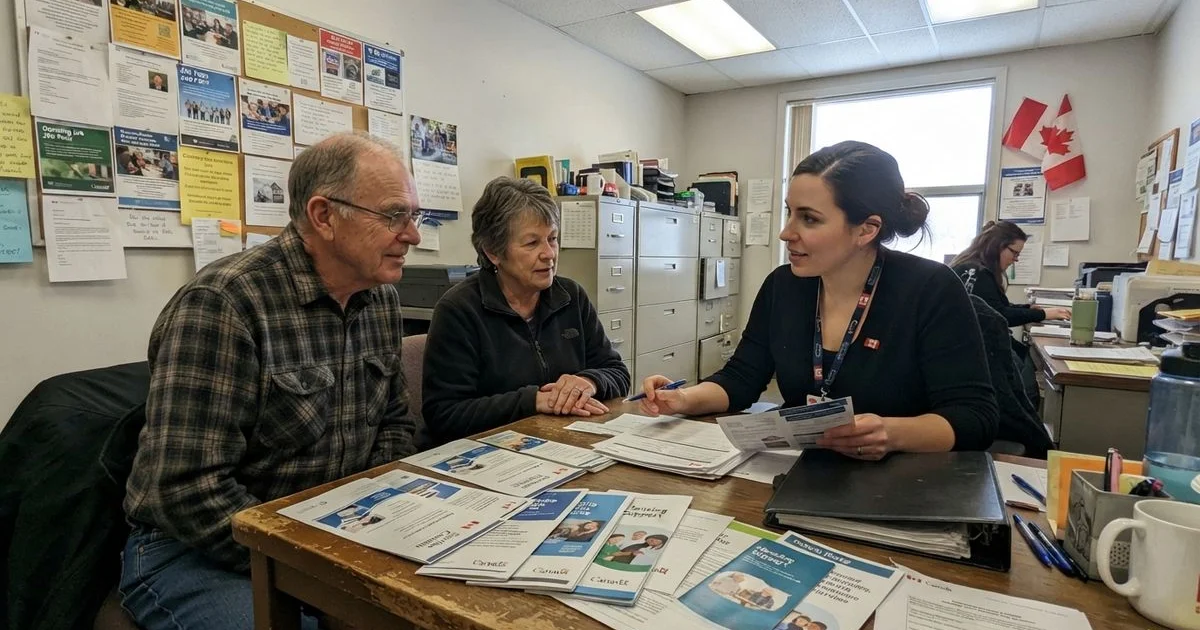
Aged care in Ontario isn’t an all-private-pay system, though it can feel that way when every search result seems to lead to a paid agency or a residence’s pricing page. There’s a real layer of publicly funded and subsidized support underneath, and most families don’t fully explore it before turning to private options.
Publicly funded home care
Home and Community Care Support Services (HCCSS), the regional body that coordinates access to home and community care in Ontario, provides publicly funded nursing visits, personal support, and therapy services based on an assessed level of need. This isn’t unlimited: the amount and frequency of funded visits depends on the assessment, and many families supplement funded care with privately paid hours for additional coverage. Starting with an HCCSS assessment, even if you expect to need private care too, is worth doing since it establishes what’s available before you pay out of pocket for services that might be partially covered.
Long-term care subsidies
Long-term care in Ontario carries a provincially set accommodation co-payment, which applies to a basic room regardless of income. What changes based on income is eligibility for a rate reduction on that co-payment, which residents or families can apply for if income is limited. This doesn’t make long-term care free, but it can meaningfully reduce the monthly cost for eligible residents.
Adult day program subsidies
Some adult day programs in London operate on a sliding scale or offer subsidized spots through funding arrangements with the local health system, alongside privately paying participants. It’s worth asking each program directly about subsidized availability rather than assuming the posted daily rate is the only option.
A quick reference
| Support type | What to check |
|---|---|
| Home and Community Care Support Services | Publicly funded nursing and personal support visits based on assessed need |
| Long-term care rate reduction | Reduces the accommodation co-payment for lower-income residents |
| Adult day program subsidies | Some programs offer income-based rates; ask directly |
| Ontario Disability Support Program (ODSP) | Income and health benefits for eligible adults with disabilities, including some seniors |
| Old Age Security and Guaranteed Income Supplement | Federal income supports that can factor into a household’s overall care budget |
Federal income supports worth knowing
Old Age Security and the Guaranteed Income Supplement are federal benefits that don’t fund care services directly but do factor into a household’s overall budget for care. Old Age Security is available to most seniors based on age and residency, while the Guaranteed Income Supplement adds further support for lower-income recipients. Neither program pays a care provider directly, but both affect how much room a family has in its monthly budget once care costs enter the picture, so it’s worth confirming a parent is receiving everything they’re eligible for before assuming private-pay care is unaffordable.
Applying for a long-term care rate reduction
Residents applying for a reduction on the long-term care accommodation co-payment typically need to provide income documentation, similar to a tax filing, so the home or the province can calculate the reduced rate. This application can be done at the same time as the long-term care placement application itself, and it’s worth completing even if a family isn’t certain they’ll qualify, since the alternative is simply paying the full rate by default.
Where to actually start
Most families find the process easier once they’ve made one call: to Home and Community Care Support Services, or through a referral from a family doctor or hospital discharge planner if applicable. From there, a coordinator can walk through what’s available based on assessed need and income, rather than families piecing it together from scattered information.
This is general information about publicly funded programs, not financial advice specific to your household. Confirm current eligibility and funding levels directly with HCCSS or the relevant program.
Combining funded and private support
Many families end up blending the two: publicly funded visits for a base level of care, topped up with privately paid hours from a home care agency for anything beyond what’s funded. Our home page lists private providers across London if you’re looking to supplement funded care, and our methodology explains how we evaluate them.
FAQ
- Is home care ever fully free in Ontario?
- Publicly funded home care exists through Home and Community Care Support Services, typically covering nursing and personal support visits based on assessed need. Private agencies billing hourly are separate and are not free, though the two are sometimes combined.
- Does long-term care cost nothing if I qualify?
- No. Long-term care in Ontario has a provincially set accommodation co-payment even for a basic room, though residents with lower income can apply for a rate reduction on that co-payment.
- What is ODSP and does it help with aged care costs?
- The Ontario Disability Support Program provides income and health benefits for eligible adults with disabilities, which can include seniors who qualify. It's worth exploring alongside other income supports if your situation fits.
- Where do I start if I don't know what I qualify for?
- Home and Community Care Support Services is the usual entry point for publicly funded home care and long-term care coordination, and a referral from your family doctor or a hospital discharge planner can also start the process.