

Aged care benefits and programs for veterans in Ontario
By Matthew De Vries · Updated 2026-07-20
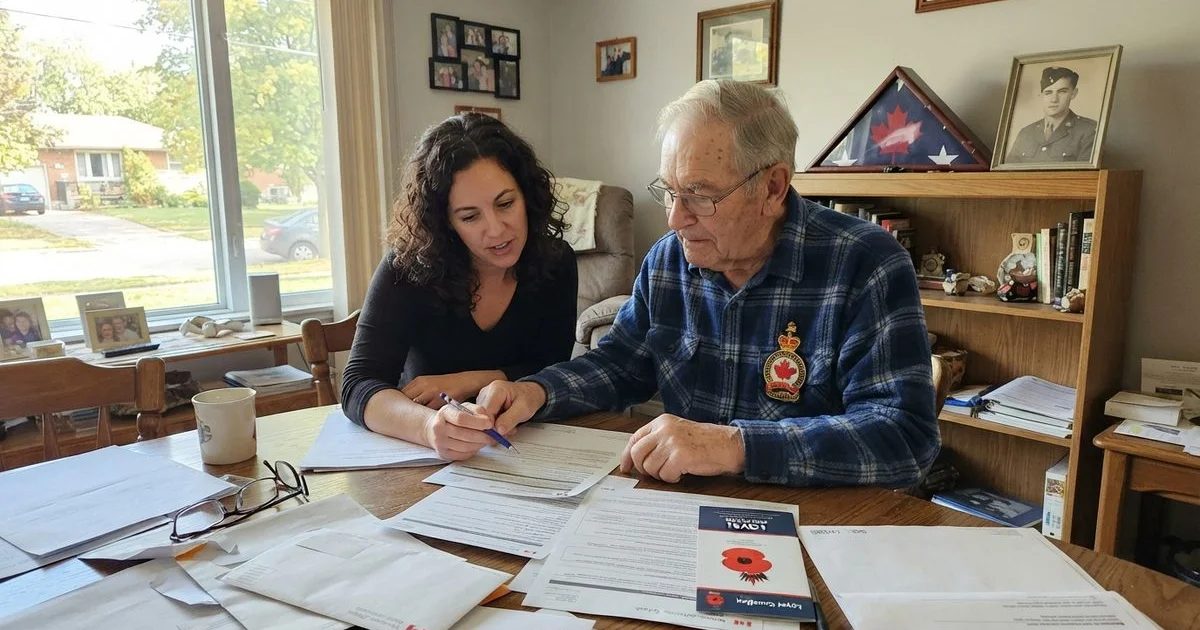
Veterans and their families sometimes assume aged care planning is entirely separate from military service history, and miss benefits they’ve genuinely earned as a result. A modest amount of research into what’s available through Veterans Affairs Canada can meaningfully change both the cost and the options on the table.
The Veterans Independence Program
The Veterans Independence Program (VIP) is the main benefit most families should look into first. It can help fund services that support aging in place, including housekeeping, groundskeeping, and in some cases personal care or home adaptations, for eligible veterans. This doesn’t replace a full home care plan, but it can meaningfully offset the cost of the services a family would otherwise pay for entirely out of pocket.
Long-term care access for veterans
Some long-term care homes maintain priority access or dedicated beds connected to Veterans Affairs Canada arrangements, particularly for veterans with service-related health conditions. Availability varies by home and by the veteran’s specific circumstances, so this is worth confirming directly with Veterans Affairs Canada rather than assuming a standard long-term care application covers it automatically.
What families often miss
| Benefit area | Worth checking |
|---|---|
| Veterans Independence Program | Housekeeping, groundskeeping, and some personal care support funding |
| Long-term care priority access | Some homes maintain veteran-designated beds or priority arrangements |
| Health benefits for service-related conditions | Coverage that may extend beyond standard provincial health benefits |
| Survivor and spouse eligibility | Some benefits extend to spouses or survivors, not just the veteran directly |
Starting the process
Veterans Affairs Canada is the direct source for eligibility and applications, and a caseworker can walk through what applies based on service history, current health needs, and financial circumstances. It’s worth starting this conversation well before a crisis, since applications and assessments take time, and knowing what’s available in advance changes how a family plans for the cost of care.
Other benefits worth checking
The Veterans Independence Program isn’t the only door to knock on. A disability pension, paid to veterans with a service-related condition, can add ongoing income that helps offset care costs generally, not just services tied directly to the disability. Some veterans also carry a Veterans Affairs Canada health card that covers specific treatments, equipment, or supplies beyond what provincial health coverage includes, which is worth confirming if a parent has one from earlier in life and may have forgotten it exists.
Eligibility basics
Eligibility for most Veterans Affairs Canada programs depends on service history, whether a condition is considered service-related, and current financial and health circumstances. Wartime service, certain peacekeeping missions, and some periods of regular force service can all factor in differently, which is part of why a direct conversation with a caseworker matters more than trying to self-assess eligibility from a general overview. Families are sometimes surprised to learn a relative qualifies for more than they assumed, particularly if the veteran never applied for anything beyond a basic pension decades ago.
Combining veteran benefits with other aged care planning
Veteran-specific programs are rarely a complete solution on their own. Most families combine them with standard home care, provincial long-term care access, or retirement living, using veteran benefits to offset cost rather than cover everything. Treating this as one piece of a broader plan, rather than assuming it solves the whole picture, tends to produce a more realistic budget.
This is general information about veteran benefit programs, not a guarantee of eligibility. Confirm current program details and your specific eligibility directly with Veterans Affairs Canada.
If a spouse or family member is applying on someone’s behalf
Veterans sometimes struggle to navigate paperwork themselves as they age, whether due to health decline or simply unfamiliarity with an application process that has changed since they last dealt with it decades ago. A spouse or adult child can often assist with an application directly, and having a copy of the veteran’s service record on hand speeds up the process considerably compared to starting from scratch with a caseworker.
Our home page lists aged care providers across London for whatever combination of support your family needs, and our methodology explains how we evaluate them on consistency and family sentiment.
FAQ
- Do veteran benefits cover home care?
- Veterans Affairs Canada's Veterans Independence Program can help fund services like housekeeping, groundskeeping, and some personal care for eligible veterans, which can supplement or reduce out-of-pocket home care costs.
- Is priority access to long-term care available for veterans?
- Some long-term care beds in Ontario are designated as priority access or veteran-specific through arrangements with Veterans Affairs Canada, though availability and eligibility vary by home.
- Do surviving spouses of veterans qualify for anything?
- In some cases, yes. Certain Veterans Affairs Canada programs extend eligibility to spouses or survivors, so it's worth checking directly rather than assuming benefits end with the veteran's passing.
- Where do I start if I'm not sure what my family qualifies for?
- Veterans Affairs Canada is the direct source for eligibility and applications. A caseworker can walk through what applies to your specific service history and current needs.