

Aging in place safely when family lives far away
By Matthew De Vries · Updated 2026-06-28
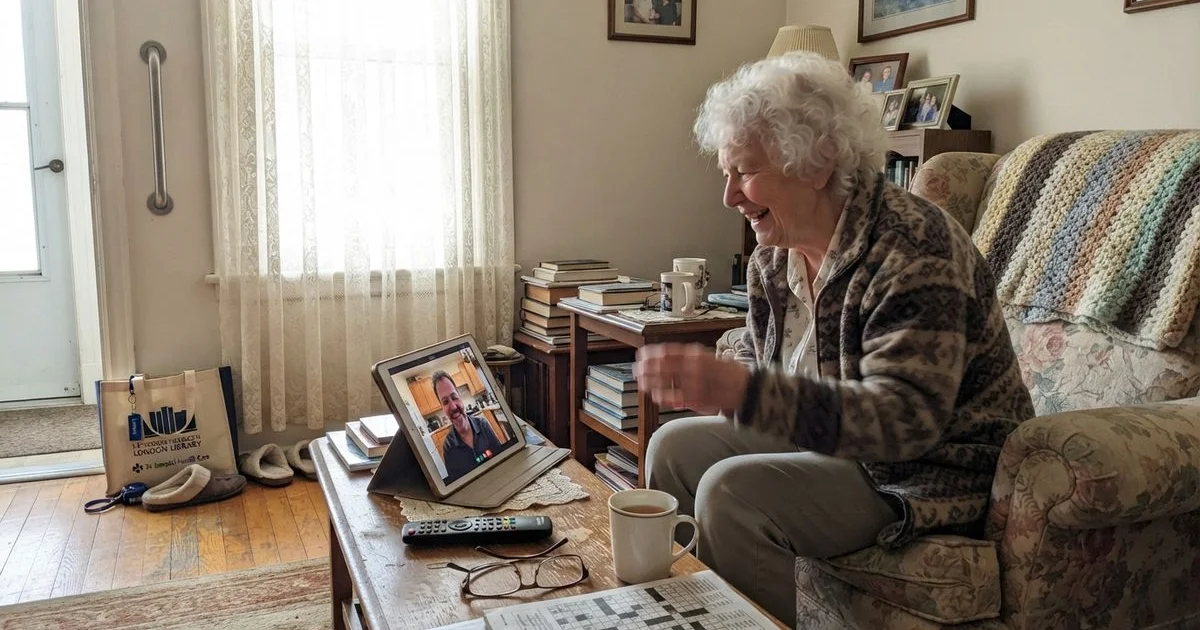
Aging in place, staying in your own home rather than moving into a facility, is what most seniors say they want. It gets harder to support well when the family who would normally notice problems lives an hour, or a country, away. The good news is that distance doesn’t have to mean flying blind. It just requires building a different kind of support system.
Build a local team, not just a remote one
The single most useful thing a long-distance family can do is establish a trusted local contact who isn’t relying only on phone calls to know how things are going. That might be a neighbour who checks in casually, a home care agency providing regular visits, or a private geriatric care manager who coordinates everything on the ground and reports back. Having eyes on the situation locally catches problems, a missed appointment, a fall, a decline in mood, far faster than a weekly phone call ever will.
What home care adds for long-distance families
Even a modest schedule of a few home care visits a week does double duty: it provides actual support and it gives you a set of eyes checking in regularly. A good agency will flag concerns to family proactively rather than waiting to be asked, which matters even more when you’re not there to notice things yourself. Ask specifically whether the agency communicates changes or concerns directly, since this is the feature that matters most for a family managing care remotely. Setting this up starts with the same intake process any home care client goes through; the guide to what happens during a home care assessment covers what to expect on that first visit.
Practical safety measures worth setting up
| Measure | What it addresses |
|---|---|
| A simple check-in call schedule at a consistent time | Catches missed calls early as a signal something may be wrong |
| Medication organizers or reminder systems | Reduces the risk of missed or doubled doses |
| A local emergency contact who has a house key | Someone who can respond quickly if you can’t get there fast |
| Home safety modifications (grab bars, better lighting, non-slip mats) | Reduces fall risk in the highest-risk rooms: bathroom and stairs |
| A shared calendar or notes app with siblings or a caregiver | Keeps everyone aware of appointments and changes without relying on memory |
Talking about it without making your parent feel watched
Long-distance monitoring can feel intrusive if it’s framed as surveillance rather than support. Most parents respond better to specific, practical asks, like “let’s set up a regular Sunday call” or “I found someone who can help with groceries once a week,” than to a general conversation about needing to check up on them. Involving your parent in choosing the local support, rather than arranging everything without them, also tends to reduce resistance.
Coordinating with siblings or other relatives
Long-distance caregiving often works best when it’s shared rather than carried by whichever sibling happens to live closest, or feels the most obligated. Splitting responsibilities clearly, one person handles medical appointments and paperwork, another manages weekly calls, another visits in person on a set schedule, avoids the resentment that builds when one person quietly absorbs everything. A short, honest conversation about who can realistically do what, revisited if circumstances change, tends to hold up better than an unspoken assumption that things will just work out.
When aging in place stops being the safest option
Distance makes it harder to catch the point where home support isn’t enough anymore. Recurring missed medications, a fall that goes unreported for days, or a local contact raising real concern are all signs worth taking seriously, even from far away. At that point, it’s worth having a frank conversation about whether a retirement home or a move closer to family makes more sense.
Our category page for in-home senior care lists local providers in London who can act as that on-the-ground support, and our methodology explains how we score them on responsiveness and consistency. Our home page covers the full range of aged care options if your parent’s needs eventually outgrow home support.
Managing this well from a distance takes more upfront coordination than being nearby would, but plenty of families do it successfully for years. The goal isn’t to replicate being physically present, it’s to build a reliable enough system of local support and regular contact that problems get caught early rather than discovered too late.
FAQ
- How do I know if aging in place is still safe for my parent?
- Watch for the same signs any family would: missed medications, unexplained bruises, a house getting harder to keep up, or repeated small emergencies. Distance makes these harder to notice, so build in regular ways to check.
- Is it reasonable to hire a local care manager instead of managing everything remotely?
- Yes, and many long-distance families do exactly this. A local care coordinator or geriatric care manager can handle scheduling, emergencies, and check-ins on the ground in a way that's hard to replicate from a distance.
- What if my parent refuses any outside help?
- Start small. A few hours a week of companionship or light housekeeping is often an easier sell than framing it as full personal care, and it gives you a foothold to increase support later if needed.
- How often should I plan to visit in person?
- There's no fixed rule, but many long-distance families find a rhythm of a visit every couple of months, supplemented by regular calls and a trusted local contact, works better than infrequent, longer visits.
Related on this site
- Browse in-home senior care providers
- Best in-home senior care in London, Ontario →
- What drives the cost of in-home senior care in London, Ontario
- What to expect during a home care assessment in London, Ontario
- Free and subsidized aged care options in Ontario: what's actually available
- Aged care benefits and programs for veterans in Ontario
- All guides →